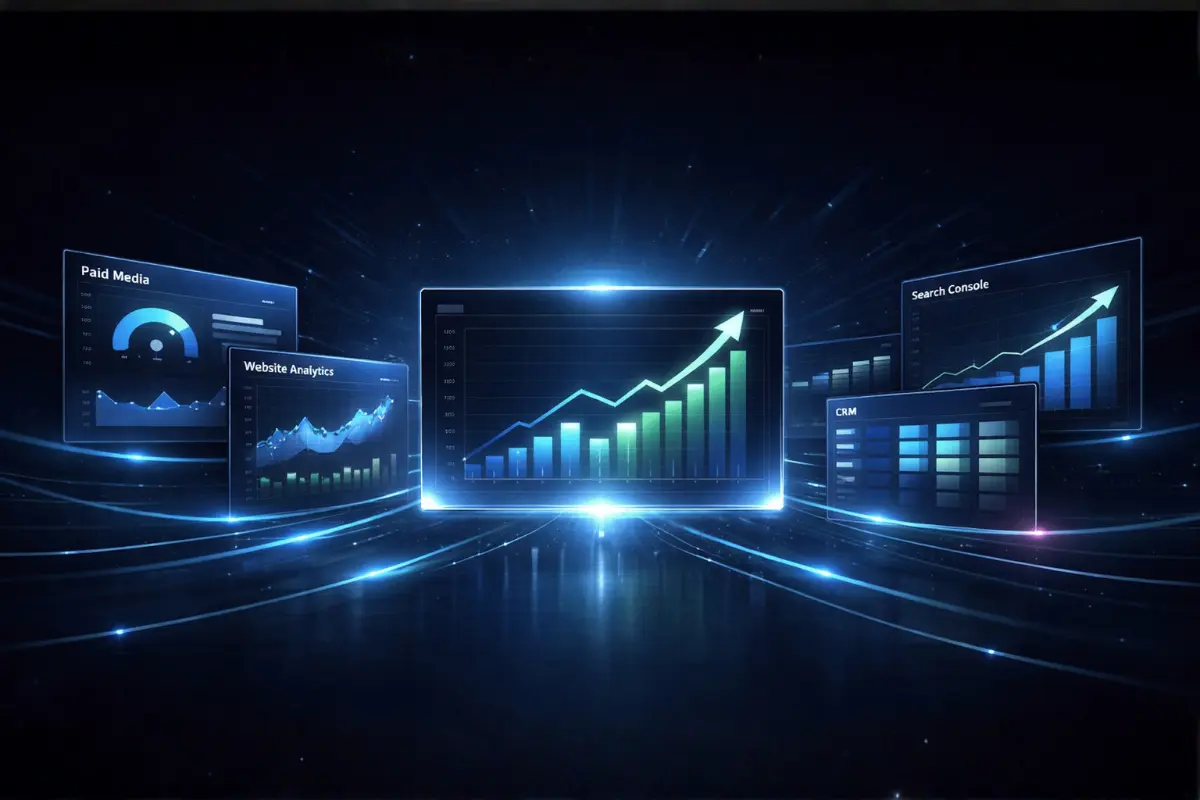

A data fabric is a data architecture that enables the integration of data from multiple sources. It is designed to provide a single, unified view of an organization's data.
Data fabrics are becoming increasingly popular as businesses seek to improve data management and better use their data.
A data fabric is a platform that helps you collect, process, and analyze data from a variety of sources.
It allows you to connect to data sources, clean and transform data, and then use it to build models and visualizations. There are many benefits to using a data fabric, including saving time and money and making better decisions.
Data Fabric: Using smart, automated systems, data fabric is an ecosystem that enables end-to-end integration of all data pipelines and the cloud.
In the past ten years or so, the advent of the cloud, artificial intelligence, and edge computing, along with the rapid growth of big data, has made it even more complex for companies to manage.
What was then required is the unification of disparate data sources such as APIs, SQL databases, and data lakes, which, in turn, brings its own set of challenges.
Connecting all such data with data fabric solutions helps not only make better decisions but also implement data governance and security measures.
Thus, a data fabric is a data management platform that helps organizations store, process, and analyze data by providing a unified view of their data.
How Data Fabric Can Improve Your Big Data Strategy
A data fabric is a data management platform that helps organizations manage their big data more effectively.
A data fabric allows organizations to collect, process, and analyze data from a variety of sources, including social media, sensors, and mobile devices.
A data fabric can also help organizations better understand and use their data, as well as share it across departments and applications.
In addition, a data fabric can improve the performance of big data applications and make them easier to scale.
Advantages of Data Fabric
A data fabric is a centralized platform that allows organizations to manage, process, and analyze data from multiple sources.
Data fabrics offer many advantages:
- Consolidate data from multiple sources onto a single platform.
Data fabrics provide organizations with a powerful tool for managing and analyzing data. By consolidating data from multiple sources on a single platform, data fabrics enable real-time processing and analysis.
In addition, data fabrics enable access to data from anywhere, at any time. This makes data fabrics an ideal solution for organizations that need to scale their data processing and analysis capabilities.
Data fabrics are becoming increasingly popular for managing enterprise data.
In addition, a data fabric can help you save time and money by reducing the need for multiple data management solutions.
How Data Fabric Can Benefit Your Business
A data fabric is a platform that enables businesses to collect, process, and analyze data from various sources.
Data fabrics offer several benefits, including supporting real-time data analysis, improving decision-making, and increasing operational efficiency.
In addition, data fabrics can help businesses scale their data operations by easily expanding to accommodate more data sources.
Here's more:
Smart Integration: A data fabric aims to unify data across different data types and endpoints using semantic knowledge graphs, metadata management, and machine learning.
This helps data management teams cluster related datasets and also weave new data sources into the data ecosystems.
So it helps eliminate silos across data systems and improve overall data quality.
Data Democracy: Self-service applications can be built using data fabric architectures.
This allows data to be accessed not only by technical teams such as data engineers, developers, and data analysts. cutting down on data bottlenecks.
This means greater overall productivity, enabling better, faster decisions.
Better Safeguarding of Data and Compliance: Increasing data access need not compromise data security.
Implementing additional safeguards around access controls ensures that specific data is accessible only to authorized users or applications.
Key Components of Data Fabric Architecture
1. Data Integration Layer
The foundation that connects disparate data sources:
- Connectors: APIs, databases, file systems, streaming platforms
2. Data Processing Engine
Core computational capabilities for data transformation:
- Data Cleaning: Automated quality checks and corrections
3. Data Storage Layer
Flexible storage options for different data types:
- Data Lakes: Raw data storage for exploration and analysis
4. Data Governance Framework
Policies and controls for data management:
- Data Lineage: Tracking data origin and transformations
Business Use Cases and Applications
1. Customer 360 View
Create comprehensive customer profiles by integrating data from:
- CRM Systems: Customer interactions and preferences
Benefits:
- Personalized customer experiences
2. Supply Chain Optimization
Integrate data across the entire supply chain:
- Inventory Systems: Stock levels and demand forecasts
Benefits:
- Reduced inventory costs
3. Financial Analytics
Unified view of financial data across the organization:
- Accounting Systems: General ledger and financial statements
Benefits:
- Real-time financial reporting
4. Operational Intelligence
Monitor and optimize business operations:
- Production Systems: Manufacturing efficiency and quality metrics
Benefits:
- Improved operational efficiency
Implementation Strategies
1. Assessment and Planning
- Current State Analysis: Evaluate existing data infrastructure
2. Phased Implementation
- Phase 1: Core data integration and basic governance
3. Change Management
- Stakeholder Engagement: Involve business users and IT teams
4. Continuous Improvement
- Performance Monitoring: Track system performance and user satisfaction
Technology Considerations
1. Cloud vs. On-Premises
- Cloud Benefits: Scalability, managed services, cost efficiency
2. Data Security and Privacy
- Encryption: Protect data at rest and in transit
3. Performance and Scalability
- Processing Power: Ensure adequate computational resources
4. Integration Capabilities
- API Support: Connect to existing systems and applications
Measuring Success
1. Technical Metrics
- Data Quality: Accuracy, completeness, and consistency scores
2. Business Metrics
- Decision Speed: Time from data availability to insights
3. ROI Indicators
- Cost Reduction: Savings from improved data management
Future Trends and Evolution
1. AI and Machine Learning Integration
- Automated Data Processing: AI-driven data quality and transformation
2. Edge Computing and IoT
- Distributed Processing: Data processing closer to data sources
3. Advanced Governance and Compliance
- Automated Compliance: AI-driven regulatory adherence
Conclusion
Data fabric represents a fundamental shift in how organizations approach data management and analytics.
By providing a unified, intelligent platform for data integration, processing, and analysis, data fabric enables businesses to:
- Break Down Silos: Eliminate data barriers between departments and systems
The key to success with data fabric is to:
- Start with Clear Objectives: Define specific business problems to solve
As data continues to grow in volume, variety, and velocity, organizations that successfully implement a data fabric will be well-positioned to leverage their data assets for competitive advantage and business transformation.
The future belongs to organizations that can quickly, efficiently, and securely turn their data into actionable intelligence. Data fabric provides the foundation for achieving this goal.
Ready to transform your data strategy with data fabric? ->->-> Contact us